


ENGWE L20 vs. OC20: Welches Fat Tire E-Bike ist 2026 besser?

ENGWE L20 vs. OC20 Fat Tire E-Bike Vergleich
Das ENGWE L20 ist eines der beliebtesten Fat Tire E-Bikes in Europa, besonders für Fahrer, die ein Tiefeinsteiger-Design und komfortablen Alltagsverkehr suchen.
Wenn Sie jedoch nach einer besseren Alternative zum ENGWE L20 suchen, bietet das OC20 E-Bike wichtige Verbesserungen in Fahrqualität, Bremsleistung und Komfort.
In diesem Vergleich analysieren wir das ENGWE L20 vs. OC20, um Ihnen bei der Wahl des richtigen E-Bikes für Stadtfahrten, Landtouren und den täglichen Pendelverkehr zu helfen.
Schnellvergleich: OC20 vs. ENGWE L20
| Funktion | OC20 | ENGWE L20 |
|---|---|---|
| Motor | 250W (Spitze 750W) | 250W |
| Sensor | Drehmomentsensor | Kadenzsensor |
| Batterie | 48V 13Ah | 48V 13Ah |
| Reichweite | 65–100 km | 50–90 km |
| Bremsen | Hydraulische Scheibenbremsen | Mechanische Scheibenbremse |
| Reifen | 20×4,0 Fat-Reifen | 20×4,0 Fat-Reifen |
| Display | 4" Farbdisplay | Basisdisplay |
| Rahmen | Tiefeinsteiger | Tiefeinsteiger |
Auf den ersten Blick sehen beide Fahrräder ähnlich aus – der wirkliche Unterschied liegt im Fahrgefühl und der Sicherheit.
1. Drehmomentsensor vs. Kadenzsensor – Ein großer Fortschritt
Drehmomentsensor vs. Kadenzsensor E-Bike Vergleich
Das OC20 verfügt über einen Drehmomentsensor, der misst, wie stark Sie treten, und die Motorunterstützung entsprechend anpasst.
Im Gegensatz dazu verwendet das ENGWE L20 einen Kadenzsensor, der nur erkennt, ob Sie in die Pedale treten.
Unterschied in der Praxis:
- Sanftere Beschleunigung
- Natürliches Fahrgefühl
- Bessere Kontrolle im Straßenverkehr
- Verbesserte Batterieleistung
Fazit: Das OC20 bietet ein deutlich besseres Fahrerlebnis.

2. Hydraulische Bremsen vs. mechanische Bremsen – Sicherheit zuerst
Hydraulische vs. mechanische Bremsen – Sicherheit bei E-Bikes
Das OC20 ist mit hydraulischen Scheibenbremsen ausgestattet, während das ENGWE L20 mechanische Bremsen verwendet.
Vorteile hydraulischer Bremsen:
- Stärkere Bremskraft
- Weniger Kraftaufwand erforderlich
- Bessere Leistung bei nassen Bedingungen
- Mehr Kontrolle bei Abfahrten oder schweren Lasten
In Kombination mit einem Bremslicht hinten bietet das OC20 bessere Sichtbarkeit und Sicherheit beim Fahren in der Stadt.
Fazit: Das OC20 ist sicherer und zuverlässiger.

3. Komfort & Stabilität für Stadt- und Landfahrten
Fat Tire E-Bike für Fahrten auf dem Land
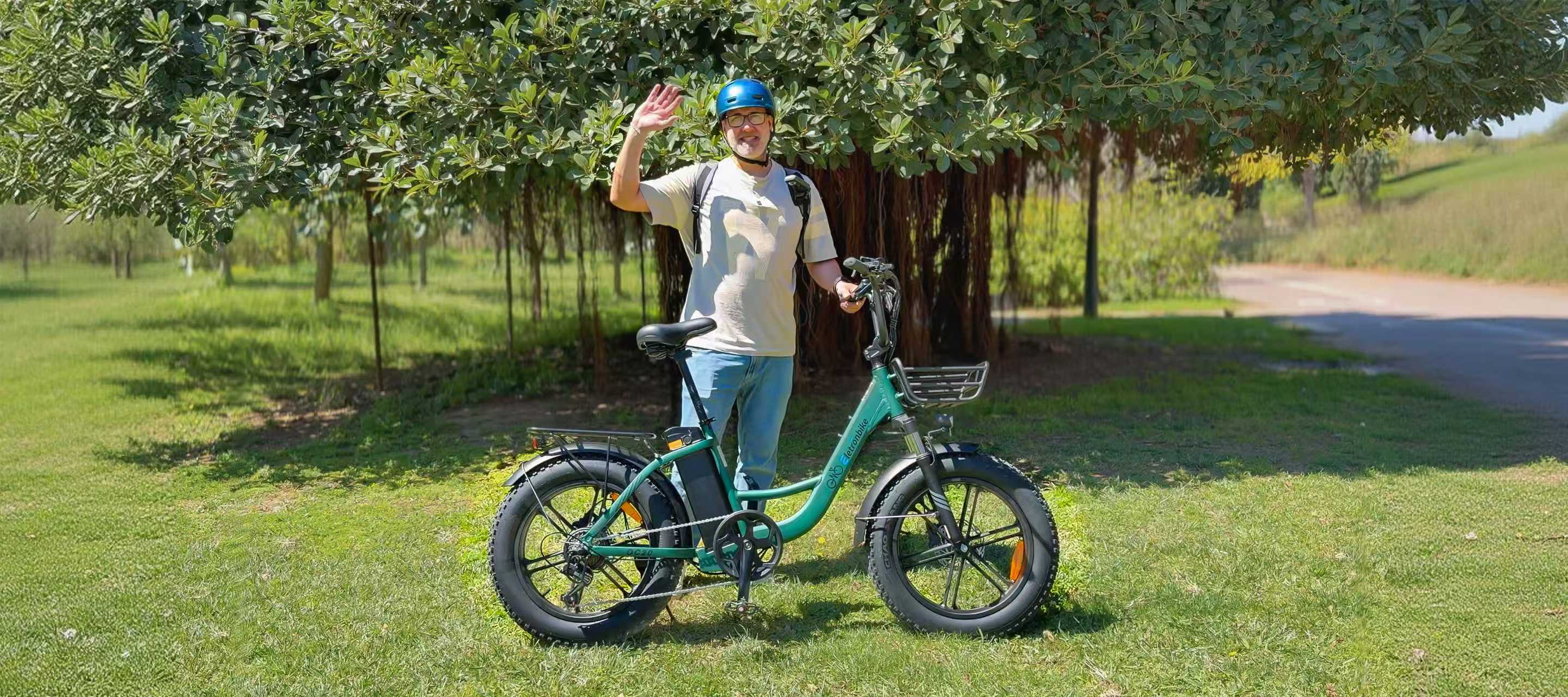
Beide Fahrräder verfügen über Fat Tires und Tiefeinsteiger-Rahmen, aber das OC20 ist auf Komfort und Stabilität optimiert.
Mit 20×4,0” Reifen und einer Vorderradfederung meistert es gut:
- Schotterwege
- Kopfsteinpflasterstraßen
- Unebene Landstraßen
Das macht es ideal für Kleinstädte, Fahrten auf dem Land und den täglichen Transport.

4. Reichweite & Alltagstauglichkeit
Beide Fahrräder verwenden einen 48V 13Ah Akku, aber das OC20 profitiert dank seines Drehmomentsensors von besserer Effizienz.
OC20 Reichweite: 65–100 km
Perfekt für:
- Tägliches Pendeln
- Einkäufe erledigen
- Stadtübergreifende Fahrten
Welches sollten Sie wählen?
Wählen Sie das ENGWE L20, wenn:
- Sie ein einfaches Einsteiger-E-Bike möchten
- Ihr Budget begrenzter ist
Wählen Sie das OC20, wenn:
- Sie wünschen sich eine sanftere, natürlichere Fahrt
- Ihnen sind Sicherheit und Bremsleistung wichtig
- Sie fahren längere Strecken oder auf gemischtem Terrain
- Sie möchten ein komfortableres Fahrerlebnis im Alltag
Endurteil: OC20 ist die bessere Alternative zum ENGWE L20
Während das ENGWE L20 eine solide Option ist, sticht das OC20 hervor durch:
- Drehmomentsensor für sanfteres Fahren
- Hydraulische Bremsen für mehr Sicherheit
- Effizientere Langstreckenleistung
- Besserer Komfort für den täglichen Gebrauch
Wenn Sie nach der besten Alternative zum ENGWE L20 suchen, ist das OC20 ein intelligenteres Upgrade.

Teilen:
Wie man die ganze Woche pendelt, ohne sein E-Bike jeden Tag aufladen zu müssen
Geschenkführer zum Muttertag 2026: Die besten E-Bikes für Mütter (10 % RABATT)